
Are you ready to bring a new furry friend into your family? Choosing the right dog breed can be tough. But with the right help, you can find the perfect companion for you.
Whether you’re a first-time dog owner or have had pets before, picking the right breed is important. You need to think about their temperament, energy level, and how much grooming they need.
Key Takeaways
- Understand your lifestyle and living situation to choose a compatible breed.
- Research different breed characteristics, temperaments, and needs.
- Consider factors like energy level, grooming needs, and training requirements.
- Popular breeds for different lifestyles, such as families or apartment dwellers.
- Tips for introducing a new dog to your household.
Understanding Your Lifestyle Before Choosing a Dog
Choosing a dog is more than picking a favorite breed. You need to think about your lifestyle. Your daily habits, where you live, and what you like matter a lot.
Assessing Your Activity Level
Your activity level is key when picking a dog. If you love being outdoors, choose a dog that’s active too. Border Collies and Australian Shepherds are great for active people.
Matching Energy Levels with Breeds
If you’re not very active, pick a dog that’s easy-going. Bulldogs and Pugs need less exercise.
Considering Your Living Space
Your living space affects the dog you should get. Where you live changes what dog is best for you.
Urban vs. Suburban vs. Rural Environments
In cities, small dogs like Shih Tzus or Yorkshire Terriers are good. But, if you live in the suburbs or country, bigger dogs like Golden Retrievers or German Shepherds are better.
Evaluating Your Schedule and Time Commitment
Think about your schedule and how much time you can give your dog. Some dogs need lots of attention and training. For example, Border Collies need a lot of mental and physical work.
By thinking about these things, you can pick a dog that’s right for your lifestyle.
Most Popular Dog Breeds in the United States
America’s dog lovers have many breeds to choose from. Some breeds are more popular than others. This is because of their temperament, size, and grooming needs.
America’s Top 10 Favorite Canine Companions
The top 10 dog breeds in the U.S. are known for being loyal and smart. Let’s talk about some of these favorite breeds.
Labrador Retrievers, German Shepherds, and Golden Retrievers
Labrador Retrievers, German Shepherds, and Golden Retrievers are very popular. They are friendly, loyal, and smart. Labrador Retrievers are outgoing. German Shepherds are loyal and protective. Golden Retrievers are gentle and loving.
Rising Stars in the American Dog World
Some breeds are becoming more popular. This is because of their unique traits and how well they adapt to different homes.
French Bulldogs, Corgis, and Australian Shepherds
French Bulldogs, Corgis, and Australian Shepherds are getting more popular. French Bulldogs are loving and easy to adapt. Corgis are smart and full of energy. Australian Shepherds are very energetic and love to herd.
| Breed | Size | Energy Level | Grooming Needs |
| Labrador Retriever | Medium-Large | High | Low-Moderate |
| German Shepherd | Medium-Large | High | Moderate |
| Golden Retriever | Medium-Large | High | Moderate |
| French Bulldog | Small | Low-Moderate | Low |
| Corgi | Small-Medium | Moderate-High | Moderate |
| Australian Shepherd | Medium | High | Moderate-High |
Small Dog Breeds for Apartment Living
Small dog breeds are perfect for apartment living. They are small and easy to care for. They fit well in city homes.
Compact Companions Under 20 Pounds
The Shih Tzu, Maltese, and Yorkshire Terrier are great friends. They are small and easy to live with in apartments.
Shih Tzus, Maltese, and Yorkshire Terriers
These dogs love people and are easy to care for. Shih Tzus are friendly. Maltese are gentle and fun. Yorkshire Terriers are lively and loving.
| Breed | Weight | Barking Tendency |
| Shih Tzu | 9-16 pounds | Low |
| Maltese | 4-8 pounds | Moderate |
| Yorkshire Terrier | 7-15 pounds | High |
Low-Barking Small Breeds for Close Quarters
If you want a quiet pet, choose breeds that bark less. Some small dogs bark less than others.
Exercise Needs for Small Dogs
Small dogs need to move to stay healthy. They need walks and play every day.
Medium-Sized Dog Breeds for Versatile Homes
Medium-sized dog breeds are perfect for many homes. They have the energy of big dogs and the easy care of small ones. This makes them great for lots of families and homes.
The Sweet Spot: 30-60 Pound Dogs
Border Collies, Bulldogs, and Whippets are great examples. They weigh 30-60 pounds and fit many lifestyles. For example, Border Collies need lots of exercise and thinking games. Bulldogs are calm and don’t need much activity.
Border Collies, Bulldogs, and Whippets
Let’s look at these breeds closer. Border Collies are smart and active, perfect for busy families. Bulldogs are loving and easy-going. Whippets are fast and love to run. Each breed has its own needs and fits different families well.
| Breed | Weight Range | Exercise Needs |
| Border Collie | 30-45 pounds | High |
| Bulldog | 40-55 pounds | Low-Moderate |
| Whippet | 25-40 pounds | Moderate-High |
Adaptable Medium Breeds for Various Lifestyles
Medium-sized dog breeds fit many homes well. They need moderate exercise and space. They do well in many places with the right care.
Moderate Exercise and Space Requirements
These dogs need daily walks or playtime. But some, like Border Collies, need more exercise. Knowing what your dog needs is key to their happiness.
Large Dog Breeds for Spacious Environments
Large dog breeds are perfect for homes with lots of space. They need room to move and love to roam. This makes them great family pets.
Gentle Giants: 60+ Pound Dogs
Great Danes, Newfoundlands, and Bernese Mountain Dogs are big but gentle. They are perfect for families with lots of space. They make great friends.
Great Danes, Newfoundlands, and Bernese Mountain Dogs
Great Danes are very tall. Newfoundlands love water and have webbed feet. Bernese Mountain Dogs have thick coats for cold weather. Each breed is special in its own way.
Space Requirements for Large Breeds
Large dogs need lots of room to play. A big yard is essential for them to exercise. Without enough space, they can get bored and unhappy.
Exercise Considerations and Joint Health
Exercise is key for big dogs, but so is taking care of their joints. Some breeds can get hip dysplasia. Gentle exercise helps keep their joints healthy.
Knowing what large dogs need helps them live happily in your home. Make sure they have enough space and exercise.
Family-Friendly Dog Breeds
Looking to add a dog to your family? Choosing a breed that gets along with kids is key. The right dog can make your home a happy place for everyone.
Best Dogs for Homes with Children
Some dogs are super nice and loving, perfect for families. Golden Retrievers, Beagles, and Boxers are top picks because they are patient and loving.
Golden Retrievers, Beagles, and Boxers
These dogs are very friendly. Golden Retrievers are gentle and patient, great with kids. Beagles are fun and small, perfect for little kids. Boxers are full of energy and fun, keeping kids entertained all day.
Patient and Tolerant Breeds for Busy Households
Busy families need dogs that are easy-going. Labrador Retrievers and Cavalier King Charles Spaniels are perfect. They are patient and can handle the chaos of family life.
Teaching Kids to Interact Safely with Dogs
Teaching kids how to be safe around dogs is important. They should not tease the dog, be gentle when petting, and understand the dog’s body language. This helps prevent accidents and builds a strong bond between kids and dogs.
Low-Maintenance Dog Breeds for Busy Owners
Some dog breeds are perfect for busy owners. They need little care and don’t ask for much attention.
Minimal Grooming Requirements
One important thing is grooming. Dogs with short hair or easy-to-maintain coats are great for those who are always on the move.
Short-Haired Breeds and Wash-and-Wear Coats
Short-haired dogs like Boxers and Bulldogs need less grooming. Their coats are simple to keep clean with some brushing and baths.
Independent Personalities That Handle Alone Time Well
Some dogs are okay being alone without getting upset. Greyhounds and Basenjis are calm when left by themselves.
| Breed | Grooming Needs | Independence Level |
| Boxer | Low | Medium |
| Greyhound | Low | High |
| Basenji | Low | High |
Health Considerations for Easy Care
Even though these breeds are easy to care for, their health matters too. Some breeds might have health problems that need extra attention.
Brachycephalic breeds like Pugs and Bulldogs might have breathing issues. Knowing about these health concerns helps you take better care of them.
Active Dog Breeds for Outdoor Enthuasiasts
For those who love the outdoors, an active dog breed is perfect. These dogs match your energy and enjoy the fun of being active.
Running and Hiking Partners
Looking for a dog for runs or hikes? Some breeds are great for this. Vizslas, Weimaraners, and Rhodesian Ridgebacks are top picks.
Vizslas, Weimaraners, and Rhodesian Ridgebacks
Vizslas love to move and are perfect for active people. Weimaraners are agile and great for dog sports. Rhodesian Ridgebacks are strong and can handle tough hikes.
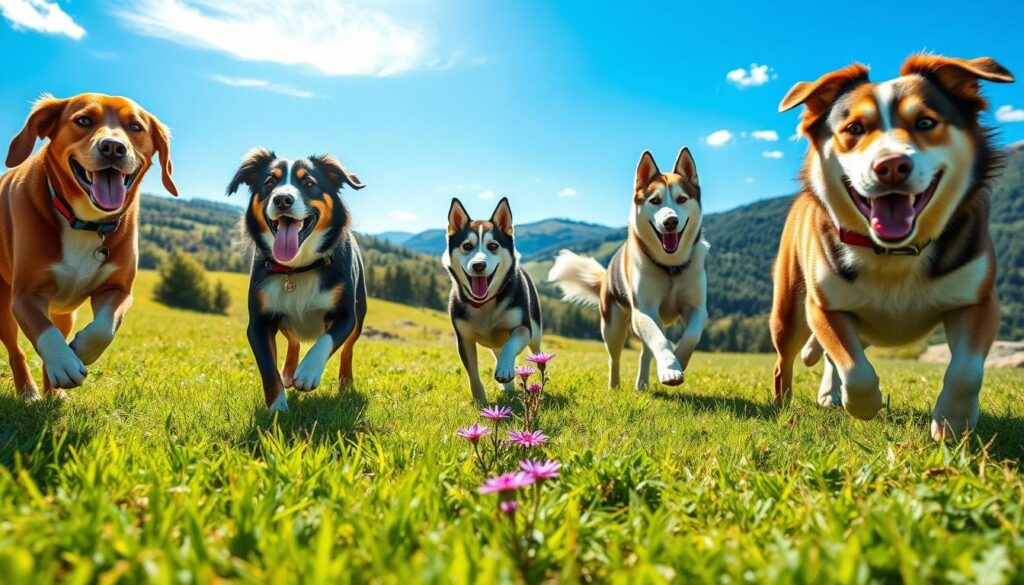
Water-Loving Breeds for Beach and Lake Activities
Some dogs love the water as much as you do. Labradors, Portuguese Water Dogs, and American Water Spaniels are great for swimming.
High-Energy Working Dogs for Athletic Owners
Athletic owners need dogs that are as active. Border Collies, Australian Shepherds, and German Shepherds are smart and love to work.
Dog training expert says, “The right dog breed makes outdoor fun better.”
“Dogs are not just pets, they’re partners in our adventures.”
Hypoallergenic Dog Breeds for Allergy Sufferers
Allergy sufferers can have a dog, thanks to special breeds. These breeds don’t shed much, making them good for people with allergies.
Low-Shedding Options That Reduce Reactions
Breeds like Poodles, Bichon Frises, and Portuguese Water Dogs are great for allergies. They have less Fel d 1 in their saliva and skin. This is what usually causes dog allergies.
Poodles, Bichon Frises, and Portuguese Water Dogs
Poodles come in sizes like Toy, Miniature, and Standard. They fit well in many homes. Bichon Frises are fun and need regular grooming. Portuguese Water Dogs are smart, active, and love water. They’re perfect for families who like to be outside.
Managing Allergies While Living with Dogs
Even with special breeds, it’s key to manage allergies. Keeping your dog clean is important to cut down on allergens.
Grooming and Home Cleaning Strategies
Bathing, brushing, and trimming your dog often helps. Also, keep your home clean. Vacuum often, use HEPA filters, and wash your dog’s bedding.
Choosing a hypoallergenic breed and keeping your home clean can help. This way, you can have a dog even with allergies.
A Complete Guide to Dog Breeds with Special Talents
Different dog breeds are good at many things. They can hunt, guard, and even help people feel better. Knowing what each breed is good at can help you pick the right one.
Hunting and Sporting Dogs with Natural Abilities
Hunting and sporting dogs are great at finding and bringing back game. The Labrador Retriever and German Shorthaired Pointer are top choices. They love to be active outdoors.
Guard and Protection Breeds for Security
Guard breeds keep families and homes safe. The German Shepherd and Rottweiler are very loyal and protective. They make great watchdogs if they’re trained right.
Therapy and Service Dog Potentials
Some dogs are perfect for helping others. The Golden Retriever is great for this because it’s so kind and smart.
Breeds with Natural Empathy and Trainability
The Labradoodle and Cavalier King Charles Spaniel are very empathetic. They’re good at forming strong bonds with people.
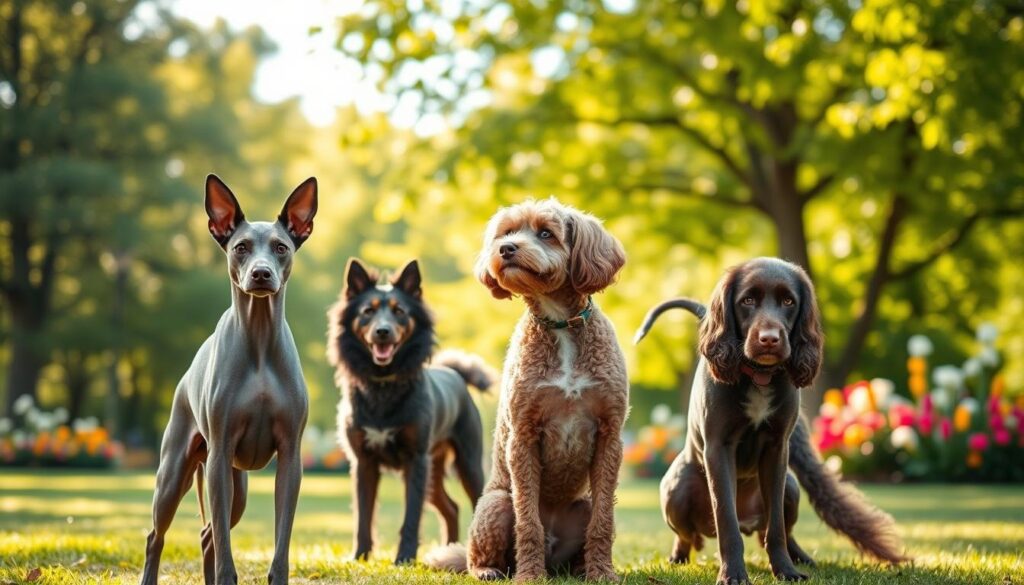
When picking a dog, think about what it’s good at and what it needs. Whether you want a hunting buddy, a guard dog, or a therapy dog, there’s a breed for you.
Rescue Dogs: Finding Your Perfect Match
Opening your heart and home to a rescue dog can bring joy and fulfillment. Adopting a dog from a shelter gives a loving home to a dog in need. It also opens up a space in the shelter for another dog. When you choose to adopt, you’re making a positive impact on your community and gaining a loyal companion.
Benefits of Adopting from Shelters
Adopting from shelters has many benefits. You’re giving a second chance to a dog that may have been abandoned or lost. Many shelter dogs are already house-trained, and some even have basic obedience training. By adopting, you’re also supporting the shelter’s efforts to care for other animals in need. Shelters often have a wide range of ages, breeds, and mixes, so you’re likely to find a dog that fits your lifestyle.
Assessing a Rescue Dog’s Personality and Needs
When adopting a rescue dog, it’s important to assess its personality and needs. Spend time with the dog, observe its behavior, and ask shelter staff about its temperament, energy level, and any known habits. Understanding the dog’s background and personality will help you make an informed decision and ensure a smooth transition for both you and the dog.
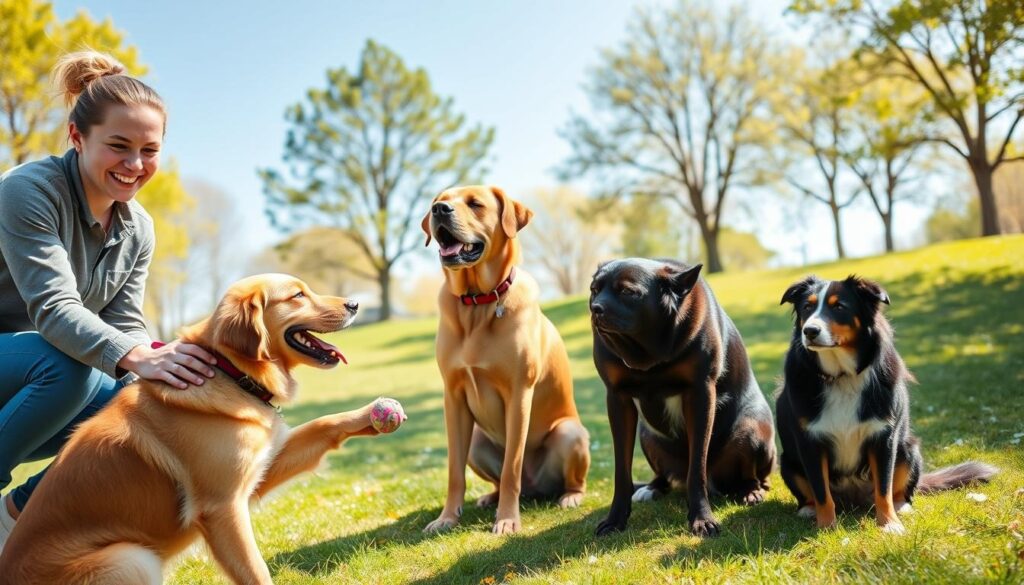
Mixed Breeds and Their Unique Qualities
Mixed breed dogs, often found in shelters, can offer unique qualities. Their mixed heritage can result in a more robust health profile due to the phenomenon known as hybrid vigor.
The Advantages of Hybrid Vigor
Hybrid vigor refers to the increased vitality and health often seen in crossbreed dogs. This genetic diversity can lead to a stronger immune system and reduced susceptibility to certain breed-specific health issues. By adopting a mixed breed dog, you’re potentially gaining a healthier pet with a lively and robust personality.
Rare and Unique Dog Breeds to Consider
Rare dog breeds are special pets. They have traits that make them stand out. If you want a dog that’s different, these breeds are worth looking into.
Uncommon Breeds with Special Traits
Some rare breeds have amazing traits. The Azawakh is sleek and great at hunting. The Bergamasco has a shaggy coat that needs regular grooming. The Chinook is friendly and strong.
Azawakh, Bergamasco, and Chinook
These breeds are rare and special. The Azawakh is fast and agile. The Bergamasco’s coat is unique and needs care. The Chinook is gentle and great with families.
International Breeds Gaining Popularity in America
More people are interested in international breeds. These dogs have unique looks and abilities. They can be a great fit for many owners.
Finding Reputable Breeders for Rare Dogs
Finding a good breeder is key for rare breeds. Look for breeders who care about health and share breed info. They should love the breed they’re breeding.
Health Considerations When Selecting Dog Breeds
When looking at different dog breeds, knowing about health issues is key. Some breeds face certain health problems. Knowing this helps you get ready for what’s ahead.
Breed-Specific Health Issues to Be Aware Of
Different breeds face unique health challenges. Big dogs often have joint problems. Short-nosed dogs can have breathing issues.
Hip Dysplasia, Heart Conditions, and Breathing Problems
Common health issues in dogs include hip dysplasia, heart problems, and breathing issues. Hip dysplasia is common in big dogs like German Shepherds and Labradors. Heart issues affect many breeds, including Cavalier King Charles Spaniels. Breathing problems are common in short-nosed dogs like Pugs and Bulldogs.
| Breed | Common Health Issue | Prevalence |
| German Shepherd | Hip Dysplasia | High |
| Cavalier King Charles Spaniel | Heart Conditions | Moderate |
| Pug | Breathing Problems | High |
Longevity Factors Across Different Breeds
Dogs’ lifespans vary by breed. Smaller dogs usually live longer. Chihuahuas can live 15-20 years. Great Danes live about 6-8 years.

Genetic Testing and Responsible Breeding Practices
Genetic testing and good breeding practices are key. Good breeders test for health issues. This helps make healthier puppies.
Knowing about health issues and picking a good breeder helps your dog stay healthy.
Training Compatibility: Finding a Breed That Matches Your Experience
Finding the right dog breed is all about matching your experience level. Your experience can really help pick the right dog for you.
Breeds for First-Time Dog Owners
First-time dog owners should pick breeds that are easily trainable and have forgiving temperaments. These breeds make training fun and easy.
Breeds That Require Experienced Handlers
Some breeds need more experienced owners because they are strong-willed or independent. They need clear rules and consistent training.
Training Approaches for Different Breed Temperaments
Each breed needs a special training approach. Knowing your dog’s temperament helps pick the right training method.
| Breed | Trainability | Required Experience |
| Labrador Retriever | High | First-time Owner |
| Siberian Husky | Moderate | Experienced |
| Golden Retriever | High | First-time Owner |
| Afghan Hound | Low | Experienced |
Conclusion: Making Your Final Decision
Now you know what to think about when picking a dog breed. Take your time and ask for advice from breeders, rescue groups, or vets. Think about your lifestyle, what you like, and what you need. This will help you find the perfect dog for you.
After choosing, get your home ready for your dog. Make sure it’s safe and buy what you need. Also, think about joining dog training classes to help your dog adjust.
Remember, owning a dog is a big deal. It’s a long-term promise of love and care. By picking the right dog and being ready for the job, you’ll get a friend for life. And you’ll enjoy every moment with your new furry friend.
FAQ
What factors should I consider when choosing a dog breed?
Think about your lifestyle and living situation. Also, consider how active you are and what you like. This helps match you with the right dog.
Are small dog breeds suitable for apartment living?
Yes, small dogs like Shih Tzus and Maltese fit well in apartments. They don’t need much space and get enough exercise indoors.
What are some popular dog breeds in the United States?
In the U.S., people love Labrador Retrievers and German Shepherds. Golden Retrievers, French Bulldogs, Corgis, and Australian Shepherds are also favorites.
How much exercise do large dog breeds require?
Big dogs like Great Danes need lots of exercise. But, each dog is different. Talk to a vet to know what’s best for your dog.
What are hypoallergenic dog breeds?
Breeds like Poodles and Bichon Frises are good for people with allergies. They don’t shed much, making them easier to live with.
Can I adopt a rescue dog?
Yes, adopting a rescue dog is rewarding. Shelters have many breeds and mixes waiting for homes.
How do I assess a rescue dog’s personality and needs?
Spend time with the dog to see how it acts. Ask shelter staff about the dog’s past and personality. This helps you decide if it’s right for you.
What are some rare and unique dog breeds?
Look for Azawakh, Bergamasco, and Chinook. They have special traits that make them stand out.
How can I find a reputable breeder for a rare dog breed?
Search online and ask for referrals. Check with breed clubs for trusted breeders. This ensures you get a healthy dog.
What health considerations should I be aware of when selecting a dog breed?
Know about health issues like hip dysplasia and heart problems. Look for breeders who test for these and breed responsibly.
How can I ensure I’m prepared for the long-term commitment of caring for a dog?
Research the breed and understand its needs. Plan for the dog’s care and happiness for its whole life.