
As a pet owner, making sure your dog’s overall well-being is key. A good diet and pet care greatly improve your dog’s life.
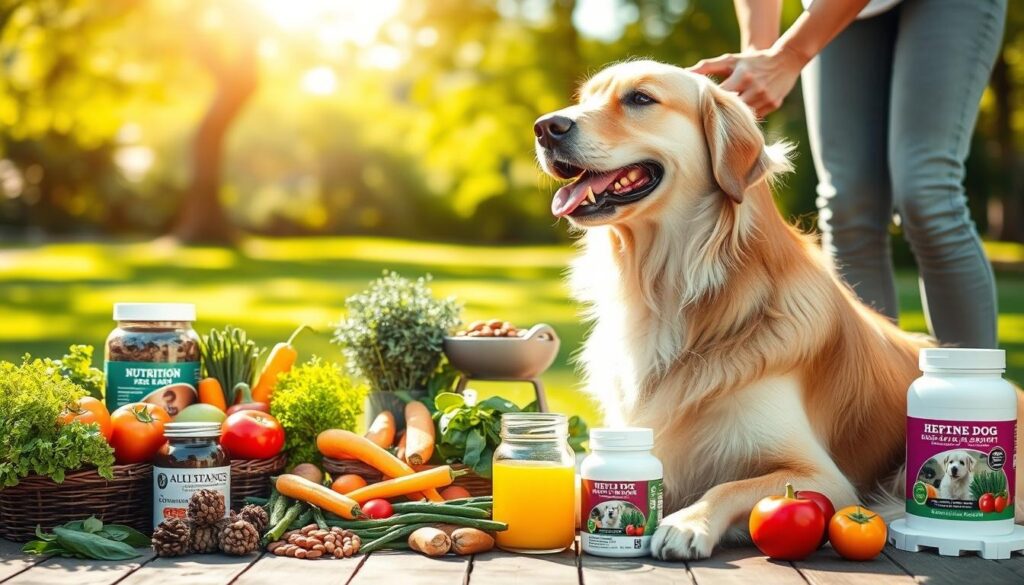
Knowing what your dog needs to eat is very important for their canine health. We will share important tips to keep your dog healthy and happy.
By the end of this article, you’ll know how to choose the best food for your dog. This will help you make smart choices about their dog nutrition.
Key Takeaways
- Understand your dog’s nutritional needs
- Choose the right dog food for your pet
- Maintain a balanced diet for optimal canine health
- Regularly monitor your dog’s health and adjust their diet as needed
- Consult with a veterinarian for personalized pet care advice
Understanding Your Dog’s Nutritional Needs
To keep your dog healthy, it’s key to know their nutritional needs. These needs change as your dog grows. A balanced diet is vital for their health.
Essential Nutrients for Canine Health
Dogs need a mix of nutrients to stay healthy. These include:
- Proteins
- Fats
- Carbohydrates
- Vitamins
- Minerals
Proteins, Fats, and Carbohydrates
Proteins help build and fix tissues. Fats give energy and help with vitamin absorption. Carbohydrates also give energy and help with digestion. The right mix depends on your dog’s age and activity.
Vitamins and Minerals
Vitamins and minerals are key for many body functions. They help with the immune system and bone health. It’s important to make sure your dog gets the right amounts.
Caloric Requirements Based on Size, Age, and Activity Level
The calories your dog needs depend on size, age, and activity. For example, puppies need more calories because they grow fast. Highly active dogs also need more calories. A vet can help figure out how many calories your dog needs.
The Fundamentals of Dog Health And Nutrition
A good diet is key for your dog’s health. It keeps them full of energy and healthy. It also helps them live a long life.
Balanced Diet Components
A balanced diet means giving your dog the right nutrients. This includes:
- Proteins for muscle development and repair
- Fats for energy and skin health
- Carbohydrates for energy
- Vitamins and minerals for various bodily functions
Proper Nutrient Ratios
Getting the right mix of nutrients is important. For example, proteins should be 18-25% of your dog’s diet. Fats should be 5-8%. The exact amounts depend on your dog’s age, size, and how active they are.
Water Intake and Hydration
Drinking enough water is key for your dog’s health. Make sure they always have fresh, clean water. Dogs need about 1 ounce of water per pound of body weight each day.
The Role of Macronutrients and Micronutrients
Macronutrients (proteins, fats, carbs) give energy and help grow. Micronutrients (vitamins, minerals) are important for the body to work right. Not having enough can cause health problems.
| Nutrient | Function | Sources |
| Protein | Muscle development and repair | Meat, fish, eggs |
| Vitamin D | Bone health | Fish oil, sunlight exposure |
| Calcium | Bone health | Dairy products, bone meal |
“A balanced diet is essential for maintaining your dog’s health. It’s not just about filling their bowl, but about providing the right nutrients in the right proportions.”
Feeding Your Dog Through Different Life Stages
It’s important to know what your dog needs at each stage of life. Dogs grow and change, and so do their food needs. Giving them the right food helps them stay healthy.
Puppy Nutrition Guidelines
Puppies need lots of nutrients for fast growth. They need vitamins, minerals, and proteins in their food.
Growth Support and Development
Puppies need calcium and phosphorus for bones. They also need protein for muscles. Without these, they might have problems growing.
Feeding Frequency and Portion Control
Puppies eat more often than grown dogs. They should eat 3-4 times a day until they’re six months old. It’s important to not feed too much.
Adult Dog Dietary Requirements
Grown dogs need a balanced diet to stay healthy. Their food needs depend on their size, breed, and how active they are.
- Adult dogs need good protein, some fat, and carbs.
- They also need vitamins and minerals for health.
Senior Dog Nutritional Considerations
Older dogs have different needs. They often need fewer calories because they’re less active.
Addressing Age-Related Health Concerns
Older dogs might need food that helps their joints. Glucosamine and chondroitin can help with joint health.
Adjusting Diet for Reduced Activity
Older dogs might need to eat less to avoid getting too fat. It’s important to make sure they get the right nutrients.
By knowing and meeting your dog’s nutritional needs at each stage, you can help them live a happy and healthy life.
Common Dietary Approaches for Dogs
Dog nutrition has many options. Each one meets different needs. Knowing these choices helps you pick the best diet for your dog.
Commercial Dog Foods: Dry, Wet, and Semi-Moist
Commercial dog foods are easy to find. They come in dry, wet, and semi-moist types. Dry dog food is cheap and easy to store. Wet dog food tastes better and has more water, good for sick dogs. Semi-moist foods are a mix of both.
- Dry dog food: Convenient and cost-effective
- Wet dog food: Higher moisture content and palatability
- Semi-moist food: A balance between dry and wet foods
Raw and Homemade Diets: Benefits and Risks
Raw and homemade diets are popular for a natural diet. They can fit your dog’s needs but need careful planning. Raw diets might have bacteria risks. Homemade diets must be balanced to avoid missing nutrients.
Grain-Free and Specialized Diets
Grain-free and specialized diets help dogs with health issues or allergies. Some dogs do well without grains, while others need them. Specialized diets help with food allergies or chronic problems.
When Special Diets Are Medically Necessary
Some dogs need special diets for health reasons. Dogs with food allergies might need hypoallergenic diets. Always talk to a vet to find the right diet for your dog.
Avoiding Nutritional Fads
Nutritional fads spread fast on social media. It’s key to know what’s backed by science and what’s not. Always check with a vet before changing your dog’s diet.
Recognizing Signs of Good Health in Your Dog
Knowing what makes your dog healthy is key. Spotting these signs early helps your dog stay well. It means they get the care they need.
Physical Indicators of Wellness
A dog’s body tells a lot about their health. Look at their coat, skin, weight, and teeth.
Coat and Skin Health
A healthy dog has a shiny coat and skin. Watch for dullness, too much shedding, or skin problems. These can mean health issues.
Weight Management and Body Condition
Keeping the right weight is important. Check if your dog is too thin or too fat. Both can cause health problems.
Dental Health and Digestion
Dental health is key for your dog’s health. Look for bad breath, yellow teeth, or eating changes. These can mean digestive issues.
| Physical Indicator | Signs of Good Health | Signs of Poor Health |
| Coat and Skin | Shiny coat, healthy skin | Dull coat, excessive shedding, skin irritations |
| Weight and Body Condition | Optimal weight, good muscle tone | Underweight, overweight, poor muscle tone |
| Dental Health | Clean teeth, healthy gums | Bad breath, yellow teeth, gum disease |
Behavioral Signs of Health and Happiness
A dog’s behavior shows their health and happiness. A happy dog is active, playful, and loves their family.
Watch their energy, appetite, and how they act with family. Changes like being tired, not eating, or hiding can mean health problems.
By watching physical and behavioral signs, you understand your dog’s health. This lets you take care of them better.
Preventing Common Health Issues Through Nutrition
A dog’s diet is key to staying healthy. Knowing this helps you choose the right food for them. Good nutrition keeps your dog healthy and prevents many problems.
Obesity Prevention and Management
Obesity is a big problem in dogs. It can cause diabetes and joint issues. Preventing obesity means a balanced diet and lots of exercise. Watch how much food you give and don’t overfeed.

Addressing Food Allergies and Sensitivities
Food allergies and sensitivities can make dogs sick. Finding and avoiding allergens is important.
Identifying Possible Allergens
Some foods can cause allergies in dogs. Watching how your dog reacts to food can help find allergens.
Elimination Diets and Food Trials
Doing an elimination diet can find out what your dog is allergic to. This means removing common allergens and then adding them back to see how your dog reacts.
Nutrition’s Role in Managing Chronic Conditions
Nutrition is very important for managing chronic conditions. A balanced diet can help manage diabetes, kidney disease, and joint problems. This improves your dog’s life a lot.
Diabetes and Kidney Disease
For dogs with diabetes or kidney disease, the right diet is very important. Talking to your vet is key to finding the best diet.
Joint Health and Mobility Issues
Glucosamine and chondroitin help with joint health. Adding these to your dog’s food can help with joint problems.
Exercise and Physical Activity for Optimal Health
Exercise is key for your dog’s health. It keeps them fit and happy. Knowing how much and what kind of exercise they need is important.
Age-Appropriate Exercise Recommendations
Puppies need gentle play to protect their growing bones. Adult dogs need regular exercise to stay healthy. Senior dogs should do gentle activities to keep moving.
Breed-Specific Activity Needs
Some dogs, like Border Collies, need lots of exercise. Others, like Bulldogs, need less. It depends on their breed.
Safe Exercise Practices
Make sure your dog always has water. Don’t exercise them in very hot or cold weather. Watch out for dangers like toxic stuff or sharp things.
Balancing Diet and Activity Levels
Dogs need the right food for their activity level. Active dogs need more calories. Less active dogs need fewer to avoid getting too fat.
Adjusting Nutrition for Athletic Dogs
Athletic dogs do well on protein-rich diets. This helps them stay strong and recover from exercise.
Seasonal Dietary Adjustments
In cold weather, dogs need more food to stay warm. In hot weather, they might need less food and more water.
| Dog Type | Exercise Needs | Dietary Adjustments |
| Athletic Dogs | High-intensity exercise | High-protein, complex carbohydrates |
| Less Active Dogs | Low-intensity exercise | Fewer calories, balanced nutrients |
| Senior Dogs | Gentle, low-impact activities | Easily digestible, joint-supporting nutrients |
Selecting High-Quality Dog Food and Supplements
Finding the right food and supplements for your dog is important. There are many choices, making it hard to decide.
Reading and Understanding Dog Food Labels
It’s key to know what dog food labels mean. They tell you about the ingredients, nutrients, and how it’s made.
Ingredient Quality and Sourcing
Choose dog foods with high-quality protein sources first. It’s also good to know where the ingredients come from.
Avoiding Harmful Additives and Fillers
Watch out for artificial preservatives, colors, and fillers. They can harm your dog. Go for natural preservatives and whole foods instead.
When to Consider Dietary Supplements
Supplements can help dogs with special needs. For example, joint supplements help with arthritis. Omega-3 fatty acids are good for skin and coat.
Treats and Snacks: Healthy Options and Portion Control
Treats can be good if they’re the right kind. Pick low-calorie, nutrient-rich treats and don’t overdo it.
Homemade Treat Ideas
Try making treats with healthy stuff like sweet potatoes, carrots, and green beans. This way, you control what’s in them.
The 10% Treat Rule
Treats should be no more than 10% of your dog’s daily calories. Too many can make them gain weight and upset their diet.
Conclusion: Creating a Lifelong Health Plan for Your Canine Companion
Creating a health plan for your dog is very important. It helps them live a happy and healthy life. Knowing what they need to eat is key to their well-being.
A good health plan includes regular exercise and check-ups. It also means giving them food that fits their age and how they live. Talking to your vet helps you make the right choices for your dog.
By using the tips from this article, you can make a plan just for your dog. This way, you can stop health problems before they start. Your dog will live a long and healthy life.
Your dog depends on you for their health and happiness. Being informed and taking action shows you care. It makes your bond with your dog even stronger.
FAQ
What are the essential nutrients for canine health?
Dogs need proteins, fats, carbs, vitamins, and minerals to be healthy. Knowing what they need helps you pick the best food for them.
How do I determine the right caloric intake for my dog?
Figuring out how many calories your dog needs depends on their size, age, and how active they are. A vet can help find the perfect diet for your dog.
What is a balanced diet for dogs, and how can I achieve it?
A balanced diet means giving the right amounts of proteins, fats, carbs, vitamins, and minerals. This ensures your dog gets the energy and nutrients they need.
How do I feed my dog through different life stages?
Dogs need different foods at different times. Puppies need food that helps them grow. Adult dogs need a balanced diet to stay healthy. Senior dogs might need special food because of age and health issues.
What are the benefits and risks of different dietary approaches for dogs?
Commercial dog foods are easy but might have bad stuff in them. Raw diets are natural but can be risky. Knowing the good and bad of each helps you choose the best for your dog.
How can I recognize signs of good health in my dog?
Look for a shiny coat, healthy skin, and the right weight. A happy and playful dog is also a sign of good health.
How can nutrition help prevent common health issues in dogs?
Nutrition is key in preventing problems like obesity, allergies, and sensitivities. Knowing how diet affects these issues helps you make better choices.
What are the exercise needs for dogs, and how can I balance diet and activity levels?
Different dogs need different amounts of exercise. It’s important to match their diet to their activity level. For example, active dogs need more calories, while less active dogs need fewer.
How do I select high-quality dog food and supplements?
Reading dog food labels helps you pick good food. Avoid bad additives and fillers. Supplements can help with things like joint health or skin issues.
What are some healthy treat options for dogs, and how should I use them?
Healthy treats are great rewards, but only in small amounts. Homemade treats and the 10% treat rule can help you give healthy rewards.