
Keeping your dog clean and well-groomed is key for their health and happiness. Regular dog care routines help you bond with your pet. They also stop problems like matting and skin irritations.
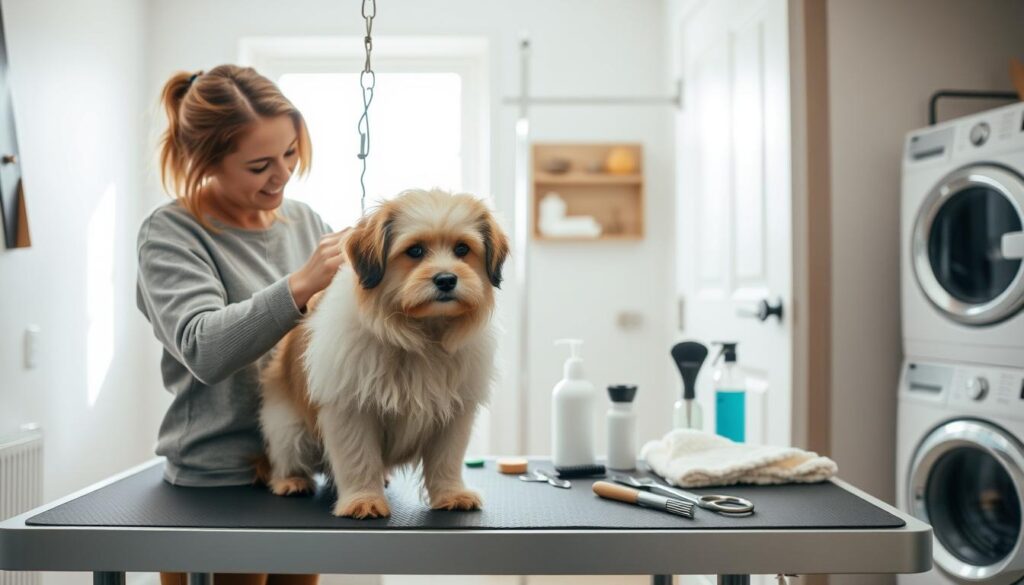
Learning simple DIY dog grooming tricks saves you time and money. You won’t need as many vet visits. This article will teach you the basics of dog grooming. You’ll learn how to groom your dog at home easily.
Key Takeaways
- Understand the importance of regular dog grooming for your pet’s health.
- Learn simple DIY dog grooming techniques to save time and money.
- Discover how to strengthen the bond between you and your pet through grooming.
- Prevent common issues like matting and skin irritations.
- Keep your dog clean and well-groomed with a step-by-step guide.
The Benefits of At-Home Dog Grooming
Grooming your dog at home saves money and strengthens your bond. It’s rewarding for both you and your dog.
Cost Savings Compared to Professional Services
At-home dog grooming saves a lot of money. Professional grooming costs a lot, but you can do it yourself. You can keep your dog’s coat, nails, and health in top shape without spending a lot.
Strengthening the Bond with Your Pet
Grooming helps you bond with your dog. It’s comforting for them and builds trust. You get to spend quality time together, understanding each other better.
Monitoring Your Dog’s Health
At-home grooming lets you watch your dog’s health closely. You can spot problems like skin issues or changes in their coat. This can help you catch health problems early and get them treated quickly.
Essential Dog Grooming Tools and Supplies
Having the right tools for grooming your dog is key. It keeps them healthy and clean. You need the right tools for this.
Basic Brushes and Combs for Different Coat Types
Dogs have different coats. The right brush or comb is important. Slicker brushes work best for long hair, while bristle brushes are good for short hair.
Bathing Supplies and Shampoos
Bathing is a big part of grooming. You need a good dog shampoo. Some dogs need special shampoos for their skin.
| Coat Type | Recommended Shampoo | Additional Tips |
| Normal | Standard Dog Shampoo | Regular bathing |
| Sensitive | Hypoallergenic Shampoo | Avoid frequent bathing |
| Allergic | Medicated Shampoo | Consult a vet |
Nail Clippers and Ear Cleaning Tools
Keeping your dog’s nails short is important. It prevents health problems. Use the right nail clippers.
Ear cleaning is also key. It stops wax buildup and infections. Use a special ear cleaner and soft cloths.
Optional Tools for Advanced Grooming
For more grooming, you can use special tools. Dematting rakes and thinning shears are good. Grooming tables make grooming easier.
In short, the right tools are vital for grooming at home. Knowing your dog’s needs helps keep them healthy and happy.
Preparing Your Dog for a Grooming Session
To make grooming smooth, preparation is important. It’s not just about getting your tools ready. It’s also about making your dog feel calm and happy.
Creating a Calm Environment
A quiet room is key for a good grooming session. Pick a place where your dog feels safe and calm. You can play soft music or use a white noise machine to help.
Pre-Grooming Exercise Tips
Exercising your dog before grooming helps them relax. A tired dog is happier and easier to groom. Take them for a walk or play to use up energy.
Playing with puzzle toys or scent games also helps. It calms their nerves and makes grooming easier.
Positive Reinforcement Techniques
Positive reinforcement is great for grooming prep. Give treats and praise for calm behavior. This makes grooming a positive experience for them.
Begin by gently touching their paws, ears, and tail. Reward them for staying calm. Then, slowly add more touch to mimic grooming.
Step-by-Step Dog Grooming Techniques
Learning dog grooming is key to keeping your pet healthy and clean. It’s more than just cleaning. It’s about bonding and checking their health. We’ll show you how to groom, including brushing, bathing, and drying.
Brushing Techniques for Different Coat Types
Brushing is a must for dog grooming. Each coat type needs a special brush. Short-haired dogs do well with a rubber or bristle brush. Long-haired dogs need a slicker or pin brush to avoid mats.
Brushing keeps your dog’s coat healthy. It also cuts down on shedding and hairballs. Plus, it’s a great way to spot skin problems or bugs.
| Coat Type | Recommended Brush | Benefits |
| Short-Haired | Rubber or Bristle Brush | Removes dead hair, distributes skin oils |
| Long-Haired | Slicker or Pin Brush | Prevents matting and tangling |
Bathing Your Dog Properly
Bathing is vital for dog grooming. How often depends on your dog’s life and coat. Most dogs need a bath every one to three months. Use dog shampoo that fits their coat type, and keep the water at a comfortable temperature.
Tips for Bathing:
- Wet your dog well before shampooing.
- Apply shampoo carefully, avoiding eyes and ears.
- Rinse well to get rid of all soap.
Drying Methods That Won’t Stress Your Pet
Drying your dog after a bath is as important as the bath. A simple towel dry works for many. But, dogs with thick coats might need a low-setting blow dryer. Be careful not to startle them with the noise.
Gently pat your dog dry with a towel, focusing on the ears to prevent infections.
By following these grooming steps, your pet will stay healthy, happy, and well-groomed.
Nail Trimming and Paw Care
Keeping your dog’s nails and paws clean is very important. If you don’t, your dog might feel pain and get sick.
Safe Nail Trimming Techniques
Trimming your dog’s nails needs to be done carefully. Use sharp, clean clippers made for dogs. Cut a little bit at a time to avoid hurting the quick.
Tips for Safe Trimming:
- Trim in small increments to avoid cutting too short.
- Use the right type of clippers for your dog’s nail size and type.
- Have styptic powder on hand to stop any bleeding.
Paw Pad Maintenance
Don’t forget about your dog’s paw pads. They need care to keep your dog comfortable and able to move. Check for cuts or irritation often. Use paw balm or wax to keep them moisturized, even in bad weather.
What to Do If You Cut the Quick
If you accidentally cut the quick, it hurts your dog and might bleed. Use styptic powder or clotting gel to stop the bleeding. Make sure your dog feels safe and comfortable. If the bleeding doesn’t stop, talk to a vet.
Ear, Eye, and Dental Care Basics
Ear, eye, and dental care are key parts of dog grooming. They help prevent infections and diseases. They also make your dog’s life better.
Cleaning Your Dog’s Ears Safely
Cleaning your dog’s ears needs care and the right tools. You’ll need a dog ear cleaner and cotton balls. Avoid using cotton swabs because they can hurt your dog’s eardrum.
Gently lift your dog’s ear and pour the cleaner in. Massage the ear base to loosen dirt. Then, use cotton balls to clean away dirt and cleaner.
- Use a dog-specific ear cleaner to avoid irritating your dog’s ears.
- Be gentle to avoid causing discomfort or injury.
- Reward your dog with treats to make the experience positive.
Eye Care and Tear Stain Removal
Eye care means keeping your dog’s eyes clean and removing tear stains. Tear stains can be lessened by wiping your dog’s eyes with a damp cloth. It’s also important to keep your dog’s face clean, around the eyes, to stop dirt and bacteria buildup.
If tear staining doesn’t go away, talk to your vet. They can check for health problems.
At-Home Dental Cleaning Tips
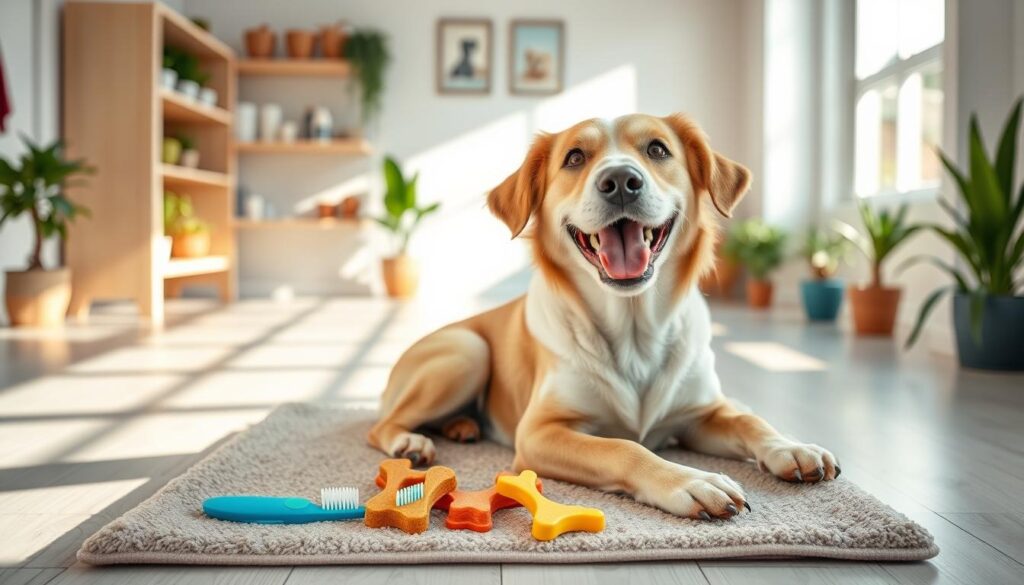
Dental care is very important for your dog’s health. You can clean your dog’s teeth at home with dog-specific toothpaste and dental chews. Start slowly to help your dog get used to it. Use only dog products, as human toothpaste is bad for dogs.
- Brush your dog’s teeth regularly, ideally daily.
- Use dental chews and toys to help reduce plaque and tartar.
- Schedule regular veterinary dental check-ups.
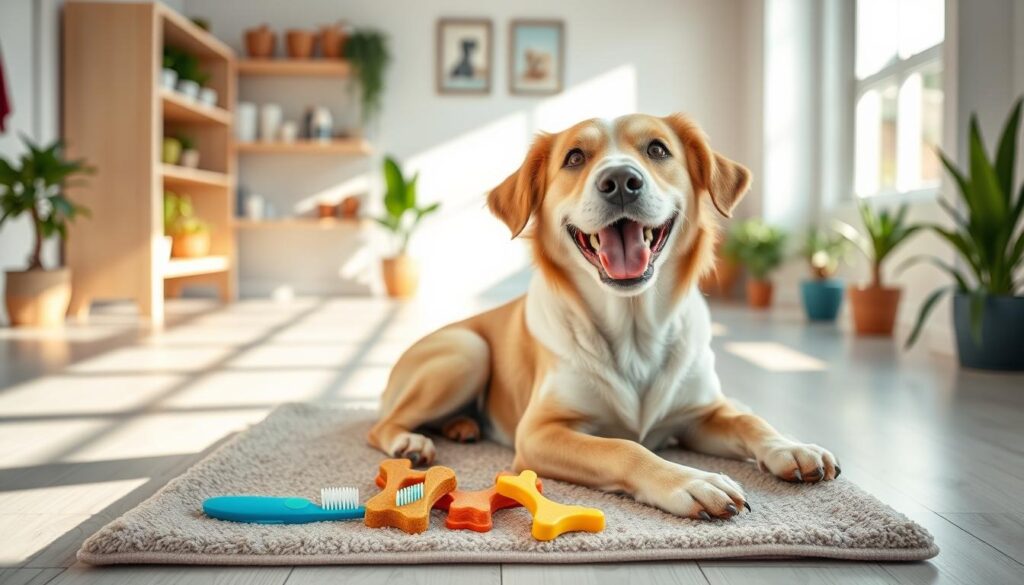
By adding these ear, eye, and dental care steps to your dog grooming, you can make your dog’s life much better.
Breed-Specific Dog Grooming Tips
Every dog needs special grooming based on their breed. This keeps their coat looking good and them feeling great. Knowing what your dog needs is key to their happiness and health.
Short-Haired Breeds
Short-haired dogs like Beagles and Boxers don’t need much grooming. But, they do need to be brushed to get rid of dead hair and keep their skin healthy. Use a rubber brush or a soft-bristled brush to help.
Bathing them is okay, but only when really needed. Use a gentle dog shampoo when you do.
Long-Haired Breeds
Long-haired dogs, like Afghan Hounds and Shih Tzus, need to be brushed every day. This stops their hair from getting tangled. Start brushing from the ends and work your way up.
They also need to be bathed regularly. But, don’t bathe them too much. It can dry out their hair. Use a conditioner to keep their hair soft.
Double-Coated Breeds
Double-coated dogs, like Siberian Huskies and Golden Retrievers, shed a lot. They need to be brushed often to manage this. Use a special rake to get rid of loose hair.
Bathing them is best done when they shed a lot. Or when they really need it.
Curly and Wire-Haired Breeds
Curly and wire-haired dogs, like Poodles and Terriers, need special care. Curly-haired dogs should be brushed with a slicker brush to avoid mats. Wire-haired dogs need to be clipped or hand-stripped.
Regular grooming is also a chance to check for any health problems. Like skin issues or ear infections.
Troubleshooting Common Grooming Challenges
Grooming your dog at home can be fun. But, it comes with its own set of problems. Knowing these issues helps you solve them.
Dealing with Anxious or Fidgety Dogs
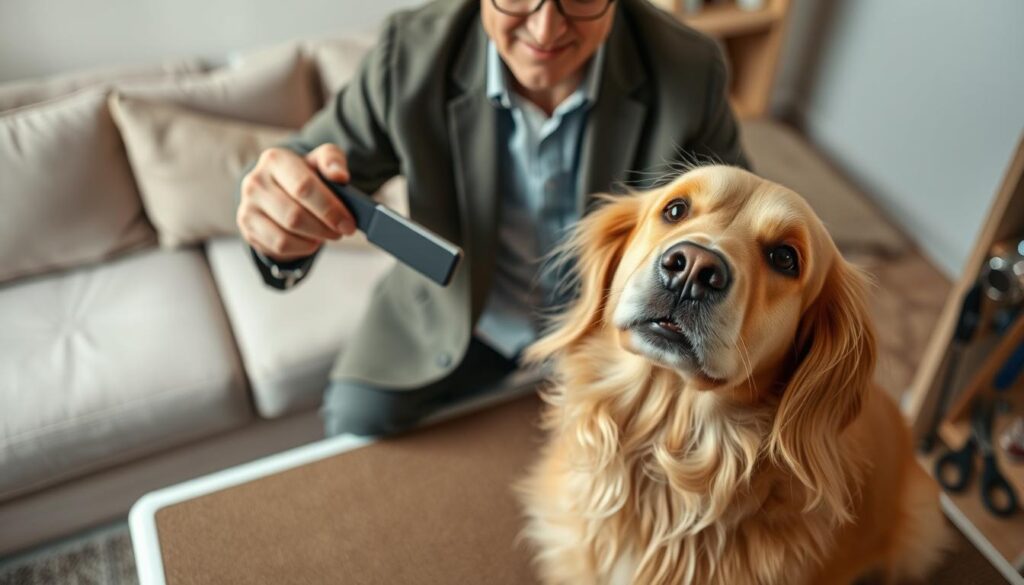
Some dogs get anxious or fidgety when groomed. This might be because of past bad experiences. To help, start with short grooming sessions and slowly make them longer.
Use positive reinforcement techniques like treats and praise. This helps your dog see grooming as a good thing.
Managing Heavy Shedders
Dogs with thick coats shed a lot. This can make a mess and cause mats. Regular brushing helps manage shedding and keeps your dog’s coat clean.
Use a de-shedding tool to cut down on loose hair. This keeps your dog’s coat healthy and looking good.
Addressing Matted Fur and Tangles
Matted fur and tangles hurt dogs and are hard to fix. To avoid mats, brush your dog often, focusing on areas that tend to tangle. For mats already there, use a detangling spray.
Then, gently work out the tangles with a wide-tooth comb or slicker brush.
By tackling these grooming challenges, grooming can be more fun for you and your dog. With patience, the right methods, and tools, you can keep your dog looking and feeling great.
Conclusion
Grooming your dog at home is rewarding for you and your pet. Follow the steps in this article to keep your dog clean, healthy, and happy.
We talked about the benefits of grooming at home. It saves money and strengthens your bond with your pet. We also covered the tools and supplies you need, and how to brush, bathe, and trim nails.
Start grooming at home with patience and gentleness. You’ll get better with time, and your dog will enjoy it too. This summary will help you care for your pet.
At-home dog grooming needs detail and a desire to learn. Mastering these skills lets you care for your dog well. It also deepens your connection with them. This marks the start of a new chapter in caring for your pet.
FAQ
What are the benefits of grooming my dog at home?
Grooming your dog at home strengthens your bond. It also saves money and lets you watch your dog’s health closely.
What are the essential tools I need to groom my dog?
You’ll need basic brushes and combs, bathing supplies, and shampoos. Don’t forget nail clippers and ear cleaning tools. The right tools depend on your dog’s coat and breed.
How do I prepare my dog for a grooming session?
Make a calm space for your dog. Do some exercise before grooming. Use positive rewards to keep them calm.
How often should I groom my dog?
Grooming frequency varies by breed, age, and coat. Some dogs need daily grooming. Others might only need it weekly or monthly.
What are some common grooming challenges, and how can I overcome them?
Dealing with anxious dogs and heavy shedders can be tough. So is matted fur and tangles. Be patient, use the right tools, and follow tips for your dog’s needs.
Can I use human grooming products on my dog?
No, human products are too harsh for dogs. They can irritate your dog’s skin. Use dog-specific products instead.
How do I trim my dog’s nails safely?
Use dog nail clippers and be careful not to cut too short. If unsure, ask a vet or groomer for help.
What are some breed-specific grooming tips?
Long-haired breeds need regular brushing to avoid mats. Short-haired breeds groom less often. Learn your dog’s breed-specific grooming needs for the best care.
Easy Way to Groom Your Dog at Home
Keeping your dog clean and well-groomed is key for their health and happiness. Regular dog care routines help you bond with your pet. They also stop problems like matting and skin irritations.
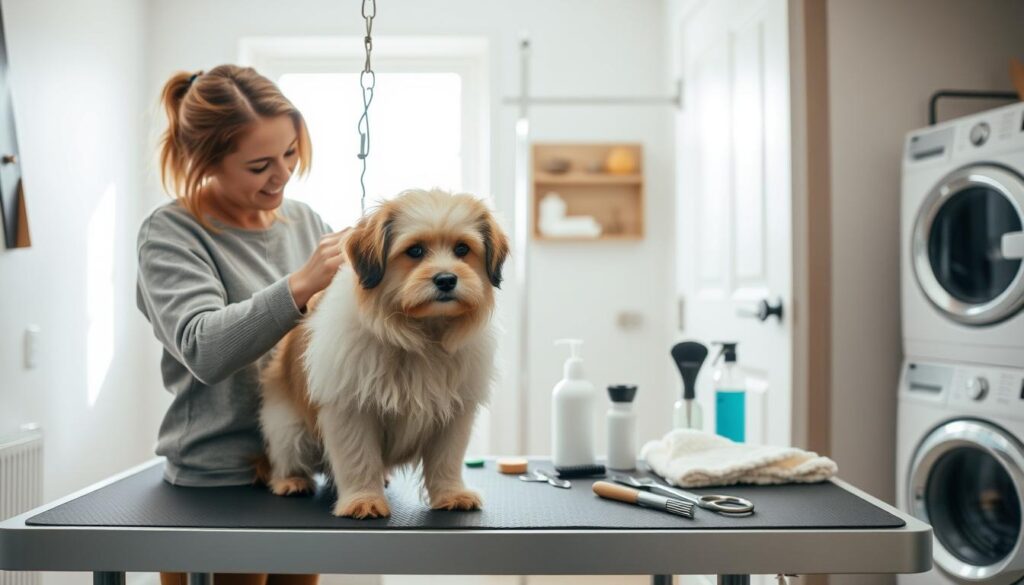
Learning simple DIY dog grooming tricks saves you time and money. You won’t need as many vet visits. This article will teach you the basics of dog grooming. You’ll learn how to groom your dog at home easily.
Key Takeaways
- Understand the importance of regular dog grooming for your pet’s health.
- Learn simple DIY dog grooming techniques to save time and money.
- Discover how to strengthen the bond between you and your pet through grooming.
- Prevent common issues like matting and skin irritations.
- Keep your dog clean and well-groomed with a step-by-step guide.
The Benefits of At-Home Dog Grooming
Grooming your dog at home saves money and strengthens your bond. It’s rewarding for both you and your dog.
Cost Savings Compared to Professional Services
At-home dog grooming saves a lot of money. Professional grooming costs a lot, but you can do it yourself. You can keep your dog’s coat, nails, and health in top shape without spending a lot.
Strengthening the Bond with Your Pet
Grooming helps you bond with your dog. It’s comforting for them and builds trust. You get to spend quality time together, understanding each other better.
Monitoring Your Dog’s Health
At-home grooming lets you watch your dog’s health closely. You can spot problems like skin issues or changes in their coat. This can help you catch health problems early and get them treated quickly.
Essential Dog Grooming Tools and Supplies
Having the right tools for grooming your dog is key. It keeps them healthy and clean. You need the right tools for this.
Basic Brushes and Combs for Different Coat Types
Dogs have different coats. The right brush or comb is important. Slicker brushes work best for long hair, while bristle brushes are good for short hair.
Bathing Supplies and Shampoos
Bathing is a big part of grooming. You need a good dog shampoo. Some dogs need special shampoos for their skin.
| Coat Type | Recommended Shampoo | Additional Tips |
| Normal | Standard Dog Shampoo | Regular bathing |
| Sensitive | Hypoallergenic Shampoo | Avoid frequent bathing |
| Allergic | Medicated Shampoo | Consult a vet |
Nail Clippers and Ear Cleaning Tools
Keeping your dog’s nails short is important. It prevents health problems. Use the right nail clippers.
Ear cleaning is also key. It stops wax buildup and infections. Use a special ear cleaner and soft cloths.
Optional Tools for Advanced Grooming
For more grooming, you can use special tools. Dematting rakes and thinning shears are good. Grooming tables make grooming easier.
In short, the right tools are vital for grooming at home. Knowing your dog’s needs helps keep them healthy and happy.
Preparing Your Dog for a Grooming Session
To make grooming smooth, preparation is important. It’s not just about getting your tools ready. It’s also about making your dog feel calm and happy.
Creating a Calm Environment
A quiet room is key for a good grooming session. Pick a place where your dog feels safe and calm. You can play soft music or use a white noise machine to help.
Pre-Grooming Exercise Tips
Exercising your dog before grooming helps them relax. A tired dog is happier and easier to groom. Take them for a walk or play to use up energy.
Playing with puzzle toys or scent games also helps. It calms their nerves and makes grooming easier.
Positive Reinforcement Techniques
Positive reinforcement is great for grooming prep. Give treats and praise for calm behavior. This makes grooming a positive experience for them.
Begin by gently touching their paws, ears, and tail. Reward them for staying calm. Then, slowly add more touch to mimic grooming.
Step-by-Step Dog Grooming Techniques
Learning dog grooming is key to keeping your pet healthy and clean. It’s more than just cleaning. It’s about bonding and checking their health. We’ll show you how to groom, including brushing, bathing, and drying.
Brushing Techniques for Different Coat Types
Brushing is a must for dog grooming. Each coat type needs a special brush. Short-haired dogs do well with a rubber or bristle brush. Long-haired dogs need a slicker or pin brush to avoid mats.
Brushing keeps your dog’s coat healthy. It also cuts down on shedding and hairballs. Plus, it’s a great way to spot skin problems or bugs.
| Coat Type | Recommended Brush | Benefits |
| Short-Haired | Rubber or Bristle Brush | Removes dead hair, distributes skin oils |
| Long-Haired | Slicker or Pin Brush | Prevents matting and tangling |
Bathing Your Dog Properly
Bathing is vital for dog grooming. How often depends on your dog’s life and coat. Most dogs need a bath every one to three months. Use dog shampoo that fits their coat type, and keep the water at a comfortable temperature.
Tips for Bathing:
- Wet your dog well before shampooing.
- Apply shampoo carefully, avoiding eyes and ears.
- Rinse well to get rid of all soap.
Drying Methods That Won’t Stress Your Pet
Drying your dog after a bath is as important as the bath. A simple towel dry works for many. But, dogs with thick coats might need a low-setting blow dryer. Be careful not to startle them with the noise.
Gently pat your dog dry with a towel, focusing on the ears to prevent infections.
By following these grooming steps, your pet will stay healthy, happy, and well-groomed.
Nail Trimming and Paw Care
Keeping your dog’s nails and paws clean is very important. If you don’t, your dog might feel pain and get sick.
Safe Nail Trimming Techniques
Trimming your dog’s nails needs to be done carefully. Use sharp, clean clippers made for dogs. Cut a little bit at a time to avoid hurting the quick.
Tips for Safe Trimming:
- Trim in small increments to avoid cutting too short.
- Use the right type of clippers for your dog’s nail size and type.
- Have styptic powder on hand to stop any bleeding.
Paw Pad Maintenance
Don’t forget about your dog’s paw pads. They need care to keep your dog comfortable and able to move. Check for cuts or irritation often. Use paw balm or wax to keep them moisturized, even in bad weather.
What to Do If You Cut the Quick
If you accidentally cut the quick, it hurts your dog and might bleed. Use styptic powder or clotting gel to stop the bleeding. Make sure your dog feels safe and comfortable. If the bleeding doesn’t stop, talk to a vet.
Ear, Eye, and Dental Care Basics
Ear, eye, and dental care are key parts of dog grooming. They help prevent infections and diseases. They also make your dog’s life better.
Cleaning Your Dog’s Ears Safely
Cleaning your dog’s ears needs care and the right tools. You’ll need a dog ear cleaner and cotton balls. Avoid using cotton swabs because they can hurt your dog’s eardrum.
Gently lift your dog’s ear and pour the cleaner in. Massage the ear base to loosen dirt. Then, use cotton balls to clean away dirt and cleaner.
- Use a dog-specific ear cleaner to avoid irritating your dog’s ears.
- Be gentle to avoid causing discomfort or injury.
- Reward your dog with treats to make the experience positive.
Eye Care and Tear Stain Removal
Eye care means keeping your dog’s eyes clean and removing tear stains. Tear stains can be lessened by wiping your dog’s eyes with a damp cloth. It’s also important to keep your dog’s face clean, around the eyes, to stop dirt and bacteria buildup.
If tear staining doesn’t go away, talk to your vet. They can check for health problems.
At-Home Dental Cleaning Tips
Dental care is very important for your dog’s health. You can clean your dog’s teeth at home with dog-specific toothpaste and dental chews. Start slowly to help your dog get used to it. Use only dog products, as human toothpaste is bad for dogs.
- Brush your dog’s teeth regularly, ideally daily.
- Use dental chews and toys to help reduce plaque and tartar.
- Schedule regular veterinary dental check-ups.
By adding these ear, eye, and dental care steps to your dog grooming, you can make your dog’s life much better.
Breed-Specific Dog Grooming Tips
Every dog needs special grooming based on their breed. This keeps their coat looking good and them feeling great. Knowing what your dog needs is key to their happiness and health.
Short-Haired Breeds
Short-haired dogs like Beagles and Boxers don’t need much grooming. But, they do need to be brushed to get rid of dead hair and keep their skin healthy. Use a rubber brush or a soft-bristled brush to help.
Bathing them is okay, but only when really needed. Use a gentle dog shampoo when you do.
Long-Haired Breeds
Long-haired dogs, like Afghan Hounds and Shih Tzus, need to be brushed every day. This stops their hair from getting tangled. Start brushing from the ends and work your way up.
They also need to be bathed regularly. But, don’t bathe them too much. It can dry out their hair. Use a conditioner to keep their hair soft.
Double-Coated Breeds
Double-coated dogs, like Siberian Huskies and Golden Retrievers, shed a lot. They need to be brushed often to manage this. Use a special rake to get rid of loose hair.
Bathing them is best done when they shed a lot. Or when they really need it.
Curly and Wire-Haired Breeds
Curly and wire-haired dogs, like Poodles and Terriers, need special care. Curly-haired dogs should be brushed with a slicker brush to avoid mats. Wire-haired dogs need to be clipped or hand-stripped.
Regular grooming is also a chance to check for any health problems. Like skin issues or ear infections.
Troubleshooting Common Grooming Challenges
Grooming your dog at home can be fun. But, it comes with its own set of problems. Knowing these issues helps you solve them.
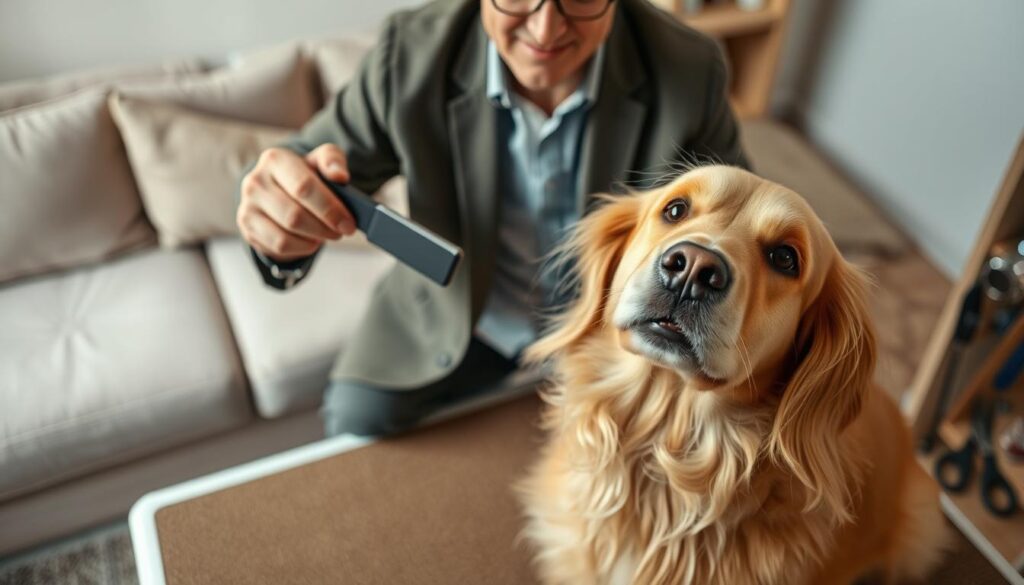
Dealing with Anxious or Fidgety Dogs
Some dogs get anxious or fidgety when groomed. This might be because of past bad experiences. To help, start with short grooming sessions and slowly make them longer.
Use positive reinforcement techniques like treats and praise. This helps your dog see grooming as a good thing.
Managing Heavy Shedders
Dogs with thick coats shed a lot. This can make a mess and cause mats. Regular brushing helps manage shedding and keeps your dog’s coat clean.
Use a de-shedding tool to cut down on loose hair. This keeps your dog’s coat healthy and looking good.
Addressing Matted Fur and Tangles
Matted fur and tangles hurt dogs and are hard to fix. To avoid mats, brush your dog often, focusing on areas that tend to tangle. For mats already there, use a detangling spray.
Then, gently work out the tangles with a wide-tooth comb or slicker brush.
By tackling these grooming challenges, grooming can be more fun for you and your dog. With patience, the right methods, and tools, you can keep your dog looking and feeling great.
Conclusion
Grooming your dog at home is rewarding for you and your pet. Follow the steps in this article to keep your dog clean, healthy, and happy.
We talked about the benefits of grooming at home. It saves money and strengthens your bond with your pet. We also covered the tools and supplies you need, and how to brush, bathe, and trim nails.
Start grooming at home with patience and gentleness. You’ll get better with time, and your dog will enjoy it too. This summary will help you care for your pet.
At-home dog grooming needs detail and a desire to learn. Mastering these skills lets you care for your dog well. It also deepens your connection with them. This marks the start of a new chapter in caring for your pet.
FAQ
What are the benefits of grooming my dog at home?
Grooming your dog at home strengthens your bond. It also saves money and lets you watch your dog’s health closely.
What are the essential tools I need to groom my dog?
You’ll need basic brushes and combs, bathing supplies, and shampoos. Don’t forget nail clippers and ear cleaning tools. The right tools depend on your dog’s coat and breed.
How do I prepare my dog for a grooming session?
Make a calm space for your dog. Do some exercise before grooming. Use positive rewards to keep them calm.
How often should I groom my dog?
Grooming frequency varies by breed, age, and coat. Some dogs need daily grooming. Others might only need it weekly or monthly.
What are some common grooming challenges, and how can I overcome them?
Dealing with anxious dogs and heavy shedders can be tough. So is matted fur and tangles. Be patient, use the right tools, and follow tips for your dog’s needs.
Can I use human grooming products on my dog?
No, human products are too harsh for dogs. They can irritate your dog’s skin. Use dog-specific products instead.
How do I trim my dog’s nails safely?
Use dog nail clippers and be careful not to cut too short. If unsure, ask a vet or groomer for help.
What are some breed-specific grooming tips?
Long-haired breeds need regular brushing to avoid mats. Short-haired breeds groom less often. Learn your dog’s breed-specific grooming needs for the best care.